The Story That Proves the Point
Let me tell you about two coffee shops on the same street.
Shop A had great coffee. But it had no clear brand. The logo was a generic clip art coffee cup. The staff wore whatever they wanted. The music was whatever the barista liked. The cups were plain white. The shop had no social media presence. Customers came for the coffee, but they did not remember the name. When a new competitor opened, they switched without hesitation.
Shop B had good coffee (not quite as good as Shop A). But it had a brand. The logo was a hand-drawn bear holding a mug. The staff wore aprons with the bear. The music was always indie folk. The cups had handwritten thank-you notes. The Instagram feed showed cozy morning photos. Customers felt something when they walked in. They told their friends. They bought merchandise. They stayed loyal for years.
Shop A sold coffee. Shop B sold a feeling. Shop B won.
Here is how to build a brand like Shop B.
Step 1: Define Your Brand Purpose (Why Do You Exist?)
Purpose is the foundation. It answers: “Why does your business exist beyond making money?”
What to do:
-
Write down the change you want to see in the world.
-
Describe the problem you solve for your customers.
-
Articulate your core belief.
Examples:
-
Patagonia: “We are in business to save our home planet.”
-
Nike: “To bring inspiration and innovation to every athlete in the world.”
-
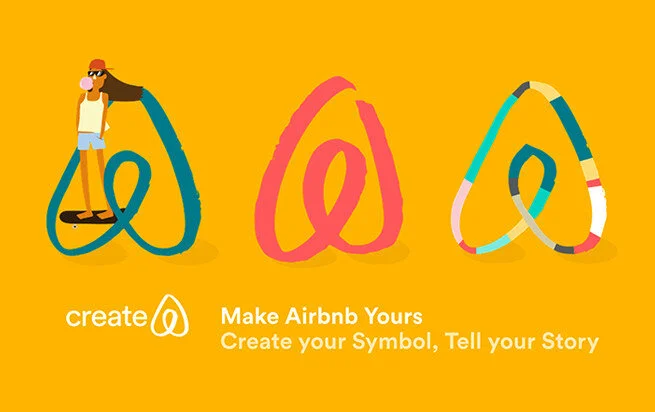
Airbnb: “To create a world where anyone can belong anywhere.”
For a small business:
Pro tip: Your purpose should be authentic, not aspirational. If you do not truly believe it, customers will sense the inauthenticity.
Step 2: Identify Your Target Audience (Who Are You For?)
You cannot be for everyone. Trying to please everyone pleases no one.
What to do:
-
Create a detailed customer persona. Give them a name, age, job, income, hobbies, values, and frustrations.
-
Define demographics: age, location, income, education, family status.
-
Define psychographics: values, interests, lifestyle, personality traits.
-
Define behavioral traits: what do they buy, where do they shop, what media do they consume?
Example persona:
-
Name: Busy Parent Brenda.
-
Age: 35, two kids under 10.
-
Job: Marketing manager.
-
Frustrations: No time to cook healthy meals, overwhelmed by choices.
-
Values: Family, health, convenience, value for money.
-
Media: Instagram, Pinterest, parenting podcasts.
Pro tip: Get specific. “Women aged 25–40” is useless. “Working moms in the suburbs who meal prep on Sundays and follow five food bloggers on Instagram” is useful.
Step 3: Define Your Brand Positioning (How Are You Different?)
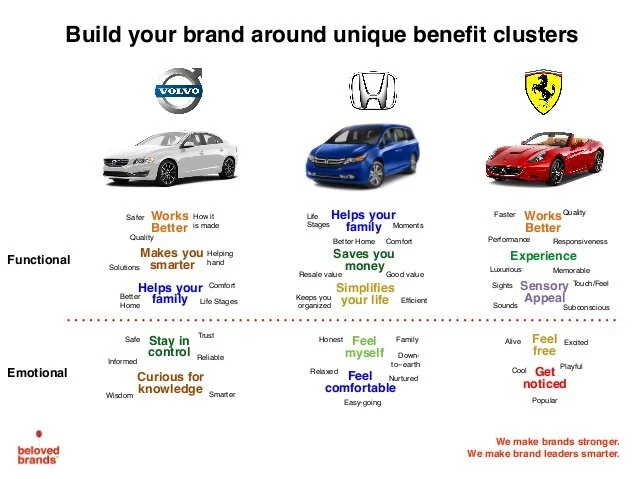
Positioning is the unique space you occupy in the customer’s mind. It answers: “Why choose you over the competitor?”
What to do:
-
List your competitors.
-
Identify what they are known for (low price, premium quality, speed, service, innovation, convenience).
-
Find a gap. What is not being served well?
-
Position yourself in that gap.
Positioning statement template:
“For [target audience], [brand name] is the [category] that delivers [unique benefit] because of [reason to believe].”
Example:
“For busy working parents, HelloFresh is the meal kit service that delivers easy, healthy recipes and pre-portioned ingredients, saving you hours of planning and shopping each week.”
Pro tip: If your positioning statement could also describe your competitor, it is not specific enough.
Step 4: Craft Your Brand Personality and Voice
Your brand personality is how your brand would behave if it were a person. Your brand voice is how it speaks.
Brand personality dimensions (Jennifer Aaker’s framework):
-
Sincerity: Honest, genuine, friendly (e.g., Dove, Coca-Cola).
-
Excitement: Daring, spirited, imaginative (e.g., Red Bull, Virgin).
-
Competence: Reliable, intelligent, successful (e.g., IBM, Google).
-
Sophistication: Elegant, prestigious, luxurious (e.g., Mercedes-Benz, Tiffany).
-
Ruggedness: Tough, strong, outdoorsy (e.g., Jeep, The North Face).
What to do:
-
Pick 3–5 adjectives that describe your brand personality.
-
Define your brand voice (formal vs. casual, serious vs. funny, respectful vs. irreverent).
-
Create voice guidelines: what to do and what to avoid.
Example (casual, friendly brand):
-
Do: Use contractions (you’re, we’ll). Use everyday language. Use humor occasionally.
-
Avoid: Jargon, corporate speak, passive voice, long sentences.
Pro tip: Write a sample social media post, email, and website headline in your brand voice. Share with your team. Ensure consistency.
Step 5: Create Your Visual Identity (Logo, Colors, Typography)
Visual identity is the most visible part of your brand. It should reflect your personality and positioning.
What to do:
1. Logo:
-
Keep it simple. Scalable. Memorable.
-
Choose a logo type: wordmark (Google), lettermark (IBM), icon (Apple), combination (Nike), emblem (Starbucks).
-
Design for dark and light backgrounds.
2. Color palette:
-
Primary color: Main brand color (used most often).
-
Secondary colors: 2–4 supporting colors.
-
Accent colors: For calls-to-action and highlights.
-
Consider color psychology: blue (trust), green (growth), red (energy), yellow (optimism), purple (luxury).
3. Typography:
-
Choose 2 fonts maximum. One for headlines (bold, distinctive). One for body text (clean, readable).
-
Ensure web-safe or use Google Fonts.
-
Test readability on mobile.
4. Imagery style:
-
Photography: What style (candid, staged, bright, moody)?
-
Illustrations: Flat, line art, hand-drawn?
-
Graphic elements: Patterns, icons, textures?
Pro tip: Create a one-page brand guidelines document. Include logo usage, color codes, font names, and imagery examples. Share with every designer, marketer, and contractor.
Step 6: Deliver a Consistent Brand Experience
Your brand is not what you say. It is what you do. Every interaction is a brand moment.
Touchpoints to manage:
-
Website (design, tone, ease of use).
-
Social media (posts, replies, Stories, DMs).
-
Customer support (email, chat, phone, response time, language).
-
Packaging (boxes, tissue paper, thank-you notes, stickers).
-
Billing (invoices, receipts, payment reminders).
-
Physical space (store design, signage, music, smell, staff uniforms).
-
Advertising (ads, sponsored posts, collaborations).
-
Emails (welcome, newsletters, abandoned cart, post-purchase).
What to do:
-
Audit every touchpoint. How does it feel?
-
Ensure each touchpoint reflects your brand personality and voice.
-
Train your team. They are brand ambassadors.
Pro tip: Consistency beats intensity. A brand that is consistently okay wins over a brand that is sometimes amazing and sometimes terrible.
Step 7: Build Brand Awareness and Loyalty
A great brand that nobody knows about is worthless. You must tell people.
Awareness tactics:
-
Content marketing (blog posts, videos, podcasts that serve your audience).
-
Social media (consistent posting, engagement, community building).
-
Public relations (media coverage, interviews, guest posts).
-
Partnerships (collaborations with complementary brands).
-
Paid advertising (targeted to your audience).
Loyalty tactics:
-
Deliver exceeding value. Under-promise, over-deliver.
-
Ask for feedback. Act on it. Tell customers what you changed.
-
Surprise and delight. Handwritten notes. Small gifts. Unexpected upgrades.
-
Create a community (Facebook group, Slack channel, in-person events).
-
Reward repeat customers (loyalty program, exclusive access, early releases).
Pro tip: Your best brand advocates are your happiest customers. Delight them, and they will market for you.
A Real-World Example: The Soap Brand That Won with Branding
A woman named Emily started making organic soap in her kitchen. She sold at farmers markets. Her soap was good, but so was everyone else’s.
She decided to build a brand.
- Step 1 (Purpose): “We exist to make bathing a moment of calm in a chaotic world.”
- Step 2 (Audience): Stressed professionals, ages 28–45, who value self-care but feel guilty taking time for themselves.
- Step 3 (Positioning): “For stressed professionals who need a daily reset, our soaps transform your shower into a 5-minute spa ritual.”
- Step 4 (Personality): Calm, nurturing, slightly poetic. Voice: Soft, warm, reassuring.
- Step 5 (Visual identity): Muted earth tones. Hand-drawn botanical illustrations. Simple serif font. Packaging made of recycled paper.
- Step 6 (Experience): Each soap came with a small card: “Breathe in. Breathe out. You deserve this moment.” The website had a rain sounds playlist. Customer support emails started with “Hello lovely human.”
- Step 7 (Awareness & loyalty): Emily posted daily “mindful moment” content on Instagram. She started a “Self-Care Sunday” email newsletter. She included a free sample of a new scent with every order.
Within 18 months, her revenue grew from $1,000 to $30,000 per month. She did not change her soap recipe. She changed how people felt about buying soap.
Frequently Asked Questions (FAQ)
Q: How long does it take to build a brand?
A: Brand identity (logo, colors, guidelines) takes weeks. Brand reputation takes years. Consistency over time builds trust.
Q: Can I build a brand on a small budget?
A: Yes. Focus on purpose, personality, and customer experience. Visual identity can be simple (look at Glossier’s minimalist branding). Awareness comes from word-of-mouth and social media, not expensive ads.
Q: Do I need a brand if I have a small business?
A: Yes. Every business has a brand. The question is whether you control it or leave it to chance. A small business with a clear brand stands out against larger competitors.
Q: What is the biggest branding mistake?
A: Inconsistency. Different logos, different colors, different tones across your website, social media, and packaging. It confuses customers and erodes trust.
Q: How do I know if my brand is working?
A: Customers remember you. They return without discounts. They refer friends. They pay premium prices without negotiation. They defend you against criticism.
The Bottom Line
A brand is not a logo. It is not a website. It is the sum total of every interaction a customer has with your business.
-
Define your purpose. Why do you exist?
-
Know your audience. Who are you for?
-
Position yourself uniquely. Why choose you?
-
Develop personality and voice. How do you behave and speak?
-
Create a visual identity. Logo, colors, fonts, imagery.
-
Deliver consistent experiences. Every touchpoint, every time.
-
Build awareness and loyalty. Tell your story. Delight your customers.
Building a brand takes time. It takes discipline. It takes saying “no” to things that do not fit. But the payoff is immense: loyal customers who choose you over cheaper alternatives, defend you against critics, and become your most powerful marketing channel.
Your brand is your promise. Keep it. Every day. Every interaction.
Ready to build your brand? Share this post with a fellow entrepreneur who needs to see it. And subscribe to our newsletter for more branding strategies every Tuesday.